Buying A Rental Near Hatboro Station: Key Considerations
January 1, 2026
January 1, 2026
Thinking about buying a rental property in 19040 near Hatboro Station? You’re not alone. Transit access, walkable amenities, and steady regional employment make this pocket of Montgomery County a smart place to evaluate. In this guide, you’ll learn how to assess demand, choose the right unit mix and amenities, underwrite conservatively, and navigate local due diligence with confidence. Let’s dive in.
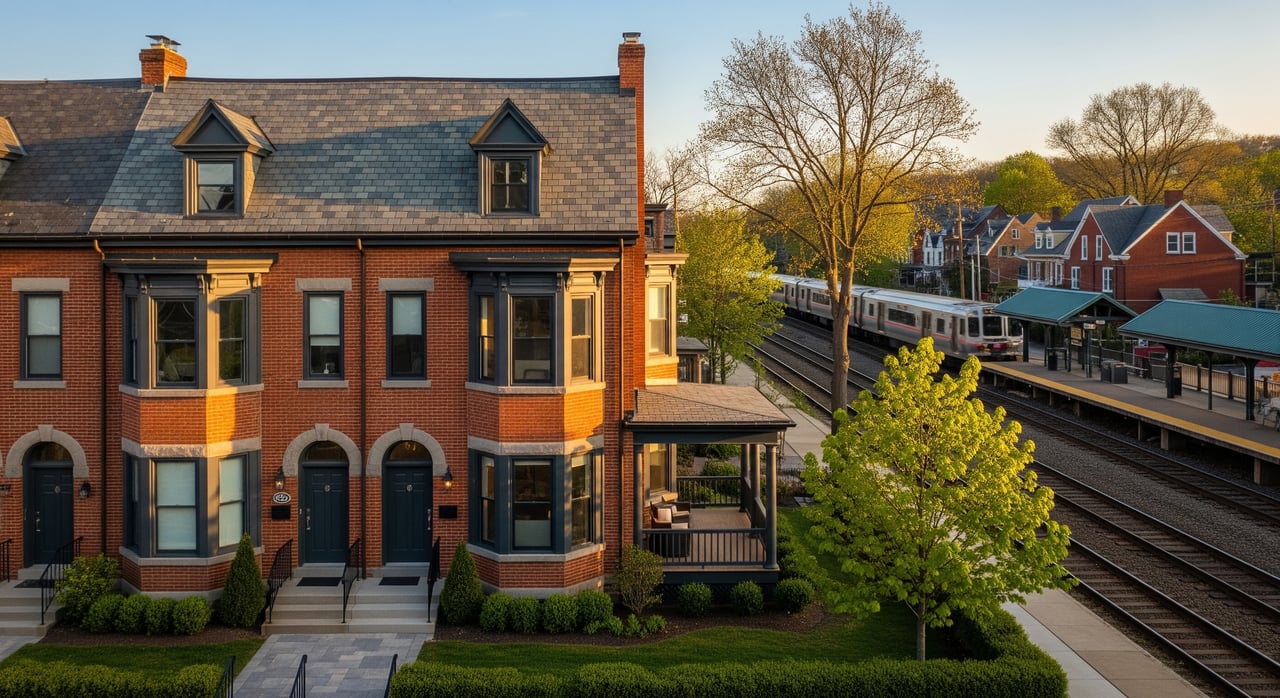
Hatboro Station sits on SEPTA’s Warminster Regional Rail Line with direct service to Center City Philadelphia. For many renters, reliable rail access is the number one decision driver. As you evaluate a property, verify peak and off-peak frequency, travel time to Center City, on-time performance, and station parking availability using current SEPTA schedules. If any planned service changes are on the horizon, factor that into your underwriting and marketing.
Proximity to the station matters. A 5-minute walk can justify stronger rents than a 10-minute walk, especially if the route feels straightforward and safe. Beyond the tracks, renters value a short stroll to retail, coffee, restaurants, parks, and services. These convenience factors reduce car dependence and support premium pricing. If parking is tight around the station, on-site or assigned parking at your property can be a real differentiator.
The broader Montgomery County corridor adds stability. Business hubs in Horsham, Willow Grove, and the Fort Washington area provide daytime employment that keeps units filled beyond pure commuter demand. For family renters, the Hatboro-Horsham School District can be part of the decision set. Always confirm district boundaries for each address during due diligence.
Young professionals and Center City commuters often prioritize predictable rail times and a short walk to the platform. These tenants favor updated 1- and 2-bedroom units with strong internet and in-unit laundry.
Many downsizers look for lower-maintenance living with access to transit and nearby services. Quiet, well-maintained buildings with reliable maintenance and convenient parking tend to appeal to this group.
Small households who want convenient commutes also value access to schools and healthcare or college campuses in the broader area. Expect practical preferences like in-unit laundry, storage, and flexible parking options.
Transit-adjacent suburban demand typically concentrates in 1- and 2-bedroom floor plans. Studios are less common in borough settings, and 3-bedroom units can be harder to fill at premium rents compared with multiple smaller units. If you are considering a conversion, verify zoning and run the numbers to ensure construction costs and absorption support the plan.
For near-station rentals in Hatboro, certain features consistently improve rent and absorption:
Cosmetic refreshes, LED lighting, efficient HVAC and water heaters, and curb appeal improvements tend to be cost-effective. Small layout tweaks that increase usable living space can also help, if allowed by code. Amenities like fitness rooms often underperform in small buildings compared with in-unit upgrades.
Start with a realistic rent roll. Use current leases plus market rent assumptions for any vacant units, based on local comps within roughly a mile of the station. For vacancy and credit loss, a common underwriting range is 5 to 8 percent in this suburban transit context. If comps show slower leasing or seasonality, use 8 to 10 percent to stay conservative.
If seller financials are incomplete, benchmark operating expenses at about 30 to 45 percent of effective gross income, then reconcile with actuals as documents come in. Include a property management fee of 6 to 10 percent if you will not self-manage. Budget $250 to $600 per unit per year for routine repairs and maintenance, with higher reserves for older buildings. Separate near-term capital items like roofs, windows, or HVAC replacements and build a capex reserve into your pro forma.
Expect DSCR requirements in the 1.2 to 1.35 range for small investment property loans, with loan-to-value commonly 70 to 80 percent depending on borrower profile. Interest rates and amortization lengths can shift cash flow more than you think, so run sensitivity scenarios that test higher rates, higher vacancy, and slower rent growth.
Ask for a complete rent roll with unit-level rents, lease dates, and security deposits. Review 2 to 3 years of operating statements and current year-to-date performance. Gather utility and tax bills, service contracts, maintenance records, and any inspection or engineering reports. Confirm zoning and any local rental registration or inspection history.
Pennsylvania law governs core landlord-tenant items like security deposits and eviction procedures, and municipalities may have added requirements. Verify Hatboro Borough registration, inspection standards, and any lead or safety disclosures that apply to your asset. Property taxes can be a significant expense in Montgomery County, so review assessment, appeals history, and school district implications. For insurance, check flood maps, prior claims, and coverage needs, including any pet-related liabilities if you plan to be pet-friendly.
Confirm the exact walking route and minutes to Hatboro Station. Review available station parking policies because limited supply can enhance the value of on-site spaces. Scan for planned transit changes or new developments that could affect future demand or supply in the immediate area.
Well-priced listings with strong photos, floor plans, and virtual tours get attention and lease faster. Syndicate promptly and highlight commute times to Center City, the walk to downtown Hatboro, and your top in-unit features. Track days-on-market and any concessions in your micro-market to keep pricing aligned with demand.
Use robust screening that includes credit, income verification, employment verification, rental history, and legally permitted background checks. A standard 12-month lease usually balances stability with flexibility. Where allowed, short-term or furnished options near the station can command premiums but require active management.
Third-party management can improve leasing velocity and tenant experience, often offsetting fees through lower vacancy and stronger renewal rates. If you self-manage, implement preventive maintenance and seasonal checkups to avoid emergency repairs that drag on cash flow.
Buying a rental near Hatboro Station can deliver durable demand from commuters, downsizers, and small households who value rail, walkability, and convenience. The properties that outperform usually get the basics right: 1- to 2-bedroom floor plans, in-unit laundry, dependable internet, and practical parking. Pair conservative underwriting with professional leasing and proactive maintenance, and you put yourself in a strong position to meet your return goals in 19040.
If you want local comps, unit-level pricing guidance, or a leasing and marketing plan tailored to Hatboro’s station area, connect with a partner who knows this market and works with both investors and developers. Reach out to Monique Altomonte to discuss your next step.



Real Estate
Essential Tips and Insights for Homebuyers in Ottsville
Get assistance in determining current property value, crafting a competitive offer, writing and negotiating a contract, and much more. Contact Monique today to discuss all your real estate needs!