Thinking about selling your Doylestown home? With 18901 values sitting in the mid‑six to low‑seven figures and buyers watching closely, small preparation steps can lead to a quicker sale and a stronger bottom line. If you want less stress and more certainty, a clear plan is your best friend.
In this guide, you’ll get a step‑by‑step timeline tailored to Doylestown, what disclosures you must provide in Pennsylvania, local transfer tax basics, realistic prep costs, and room‑by‑room priorities for both single‑family homes and townhomes. You’ll also find quick checklists you can use right away. Let’s dive in.
Know the 18901 market basics
Pricing and timing start with local context. In recent reports, 18901 showed a median home price around the upper‑$700s with average time on market around two months. Within the town limits of Doylestown, another data set placed median sale prices in the low‑$800s and similar days on market. These differences come from using zip‑code versus borough boundaries and slightly different time frames.
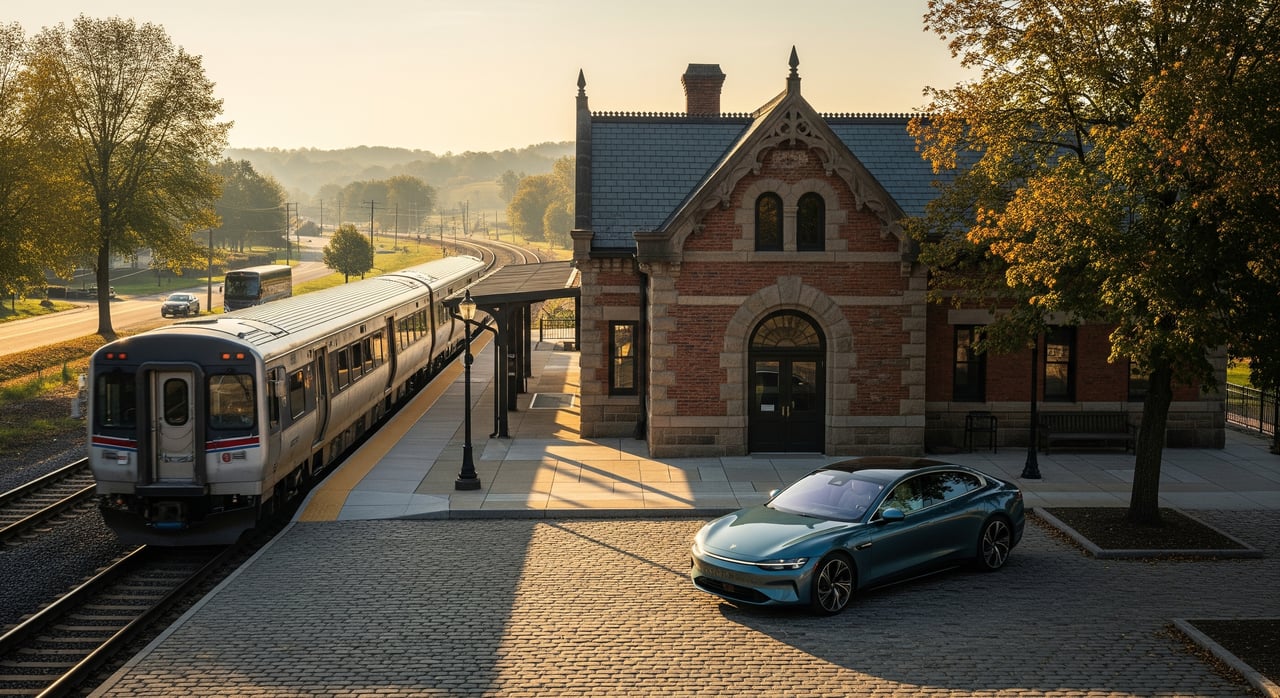
What this means for you: most homes in 18901 trade in the mid‑six to low‑seven‑figure range, and condition, location, and presentation still matter. Use fresh comparable sales from the last 3 to 6 months for pricing. Many buyers value proximity to Central Bucks School District resources and the regional rail to Philadelphia, so confirm any school zoning and commuting details that apply to your property. You can review area school information on the Central Bucks School District site.
Understand PA disclosures and local rules
Pennsylvania Seller’s Property Disclosure
Pennsylvania requires you to complete a Seller’s Property Disclosure that covers known material defects affecting the property’s value or safety. The disclosure must be delivered to the buyer before the agreement of sale is signed. You do not need to investigate, but you must share what you know about structural, mechanical, environmental, and other significant issues. Review the state rules from the Pennsylvania Code and a plain‑English overview of required topics in this seller disclosure summary.
If your home was built before 1978, you must also provide the federal lead‑based paint disclosures and the EPA/HUD pamphlet. If you know prior radon or other environmental test results, disclose those as well.
Municipal resale inspections and U&O
Some Pennsylvania municipalities require point‑of‑sale inspections and a Use & Occupancy certificate. If a municipality performs these inspections, it must follow the Municipal Code and Ordinance Compliance Act. That framework sets timelines and allows temporary certificates when violations are found, giving buyers time to complete repairs after closing. Ask your agent to confirm whether your specific Doylestown address falls under a resale inspection or U&O requirement and how timing works. For background, see the Pennsylvania Association of Realtors summary of MCOCA.
Deed registration and transfer tax in Bucks County
Doylestown Borough requires deed registration on transfers. You or your settlement company should follow the borough’s form and process; see the borough’s deed registration page.
Bucks County sales typically include a total realty transfer tax of 2 percent: 1 percent to the Commonwealth and 1 percent locally. Who pays is negotiable, though it is commonly split 50/50 in local practice. Your contract and title company will confirm the final allocation. Read more in the county’s transfer tax guidance.
Your 6 to 8‑week prep plan
A simple timeline helps you work from highest impact to best presentation.
6 to 8 weeks before listing: Inspect, plan, and gather docs
- Consider a pre‑listing inspection. It can help you manage surprises, price wisely, and fix issues on your timeline. Typical inspections often cost a few hundred dollars depending on the home size and tests selected. You can choose which items to repair and which to disclose.
- Collect permits, service records, warranties, and appliance manuals. If you updated mechanicals or the roof, keep those invoices handy. If you are in the borough, note any deed registration steps so settlement stays smooth.
- If you have a well or septic, schedule specialist inspections early. For older homes connected to public sewer, you may choose to scope the sewer lateral to check for issues. Radon tests are often around the low hundreds as a reference point.
4 to 6 weeks before listing: Repair the essentials
- Fix safety or major system issues first. Electrical hazards, active leaks, or non‑functional HVAC can cost you more in buyer negotiations if left unaddressed.
- Handle visible deferred maintenance. If the roof is leaking or at the end of its useful life, consult local roofers. National benchmarking shows that full roof replacements can run into the thousands; see typical ranges in HomeAdvisor’s roofing cost guide, then get local quotes.
- Make high‑impact, low‑cost updates. Fresh neutral paint, updated light fixtures, new hardware, and re‑caulked tubs and showers go a long way.
2 to 3 weeks before listing: Stage and schedule photos
- Decide on staging. Research from NAR shows that staging influences buyer perception and can reduce days on market. Median staging costs are often around $1,500, with options to focus on the living room, kitchen, and primary bedroom if you want to limit spend. Learn more from NAR’s staging resources.
- Book professional real estate photography. Schedule this after your staging and a deep clean so photos reflect your best condition on day one.
0 to 7 days before listing: Final polish and paperwork
- Complete your Seller’s Property Disclosure and be ready to deliver it to buyers before the agreement of sale stage. Review the state guidance in the Pennsylvania Code.
- Deep clean, declutter, and depersonalize. Tidy landscaping, fresh mulch, clean windows, and a welcoming entry create an instant lift.
- Verify property details that matter to buyers, such as proximity to downtown Doylestown or access to regional rail for commuting. Keep your description accurate and neutral.
Room‑by‑room priorities that sell
Living room and entry
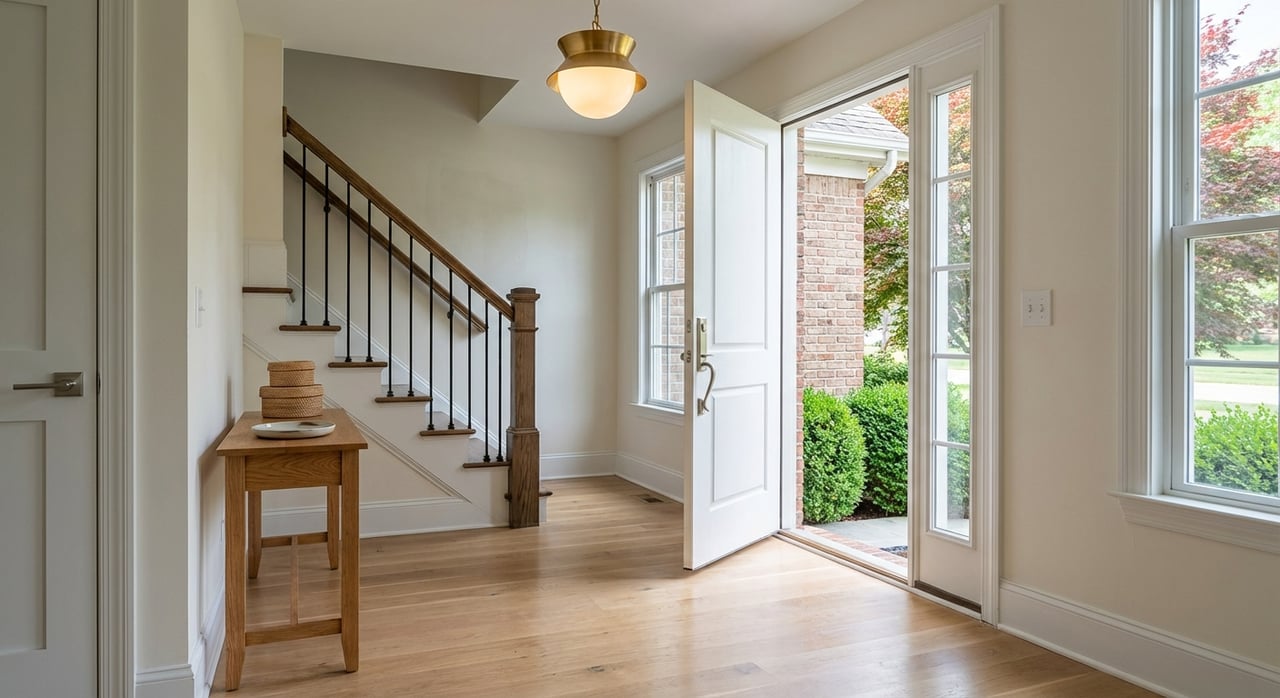
These are your first in‑person impressions. Remove excess furniture to improve flow, add soft lighting, and style a simple focal point like a mantel or console. A neutral area rug can visually “scale” the room in photos.
Kitchen
Kitchens drive decisions. Repaint cabinets if they are worn, swap dated hardware, and re‑caulk counters and backsplashes. Clear counters and include a few warm touches, like a bowl of green apples or a simple vase.
Bathrooms
Regrout or re‑caulk showers, fix slow drains, and ensure fans work properly. Simple mirrors and updated light fixtures can modernize the space at a modest cost.
Primary bedroom
Aim for calm and bright. Neutral bedding, clutter‑free nightstands, and balanced lamps photograph well. If closets are overflowing, pre‑pack off‑season items.
Exterior and yard
Curb appeal sets the tone. Edge beds, prune shrubs, freshen mulch, and power‑wash the walk. If you have a larger lot, consider a few wide photos or tasteful aerials to show outdoor living and privacy.
Single‑family vs. townhome tips
Single‑family homes
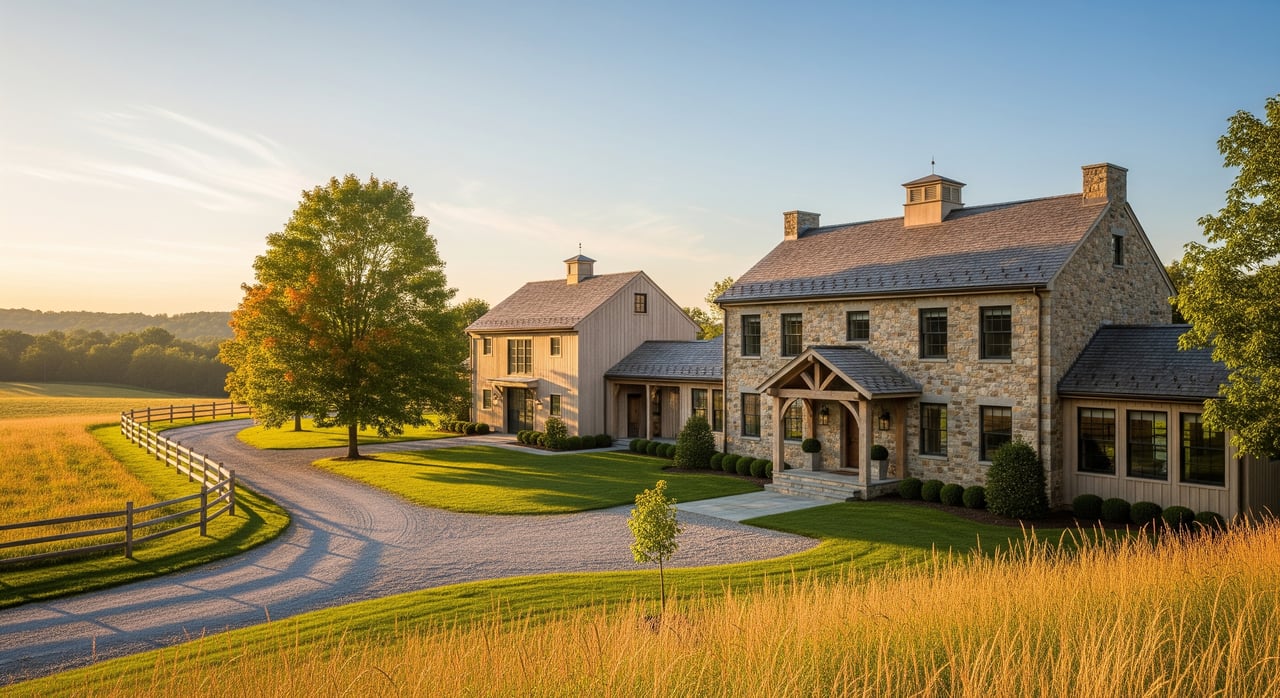
- Respect original character where present, but neutralize bold finishes so features show clearly.
- Give extra attention to roofs, gutters, grading, and downspouts so inspectors see good water management.
- If you have a finished basement or flexible space, stage one clear use so buyers understand its value.
Townhomes
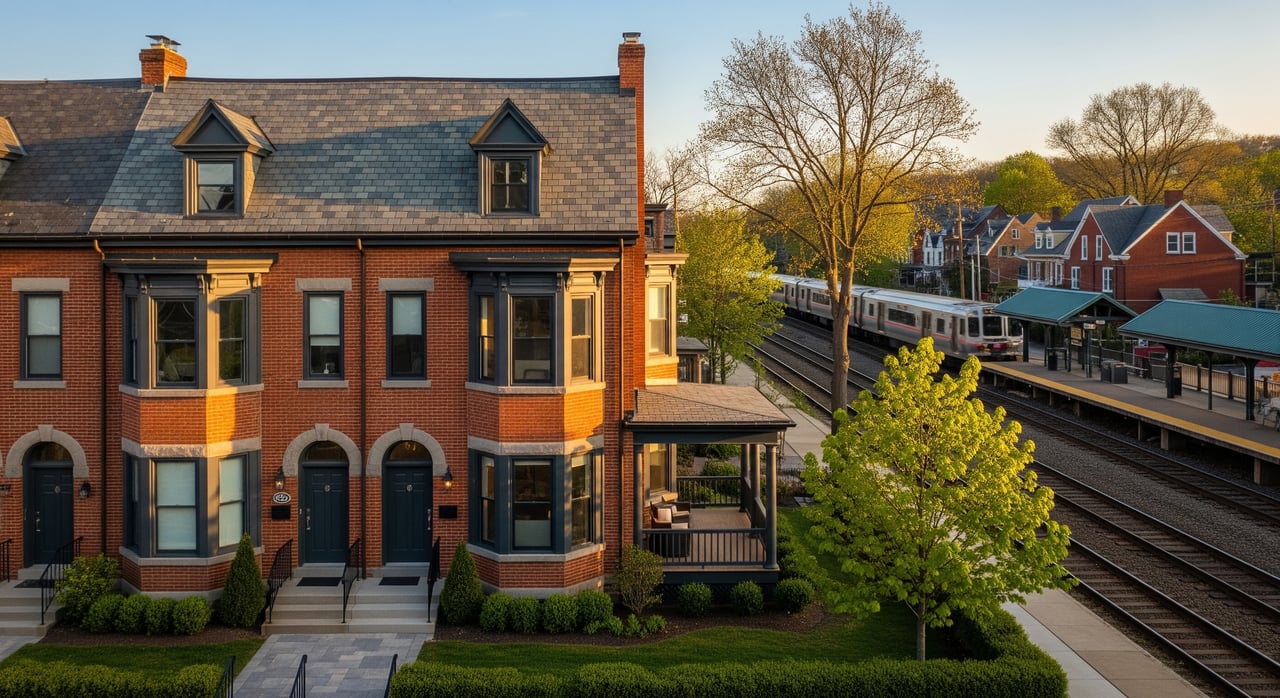
- Emphasize a turnkey lifestyle. Highlight consistent maintenance, HOA services, and any community amenities.
- If the home is vacant, virtual staging can be a cost‑effective way to show furniture scale in smaller rooms.
- Make sure HOA resale packets and any rule summaries are complete and ready for buyers.
Quick checklists you can copy
8‑week pre‑list checklist
- Book a pre‑listing inspection if your home is older or you want to control repairs early.
- Gather permits, warranties, service invoices, and appliance manuals.
- If needed, get roofing and HVAC quotes based on inspection findings.
3 to 4‑week pre‑list checklist
- Complete safety and major system repairs first.
- Schedule staging and professional photography after repairs.
0 to 7‑day pre‑list checklist
- Deep clean, declutter, and depersonalize.
- Complete and organize your Seller’s Property Disclosure.
- Tidy landscaping and confirm easy showing access.
Coordinate timing with your marketing plan
Your agent should guide the calendar so photography, showings, and marketing all line up.
- Confirm your target go‑live week, photography date, and any open house plans.
- Book inspections and specialty tests early, then share results to inform pricing and disclosures.
- Finish repairs before photos. Pictures should match what buyers see on day one.
- Decide how the disclosure will be delivered and make sure the packet is ready before the agreement of sale.
- Align on marketing channels and showing instructions so access is smooth and feedback arrives quickly.
Ready to sell with a plan that fits your home and timeline? Reach out to Monique Altomonte for a tailored pricing strategy, a polished prep checklist, and hands‑on guidance from first meeting to closing.
FAQs
What disclosures do Pennsylvania home sellers need to provide?
- Pennsylvania requires a Seller’s Property Disclosure covering known material defects and it must be delivered before the agreement of sale; homes built before 1978 also require federal lead‑paint disclosures.
Do I need a Use & Occupancy inspection to sell in Doylestown?
- Some municipalities require point‑of‑sale inspections, and when they do they must follow the state MCOCA rules; ask your agent whether your specific address requires a U&O and what timing applies.
How much are transfer taxes for a Bucks County home sale?
- The typical total realty transfer tax is 2 percent (1 percent state plus 1 percent local), and payment is negotiable; it is commonly split 50/50 unless the contract states otherwise.
How much should I budget for staging and small fixes?
- Industry reports often place professional staging around $1,500, with paint and minor updates varying by scope; a pre‑listing inspection typically runs a few hundred dollars and can help you target repairs.
What rooms should I prioritize before listing my 18901 home?
- Focus on the living room, kitchen, and primary bedroom for staging and photos, then update bathrooms and boost curb appeal to strengthen first impressions.