Leave a Message

Thank you for your message. I will be in touch with you shortly.

Pricing Strategy For Rural Homes In Ottsville

December 18, 2025

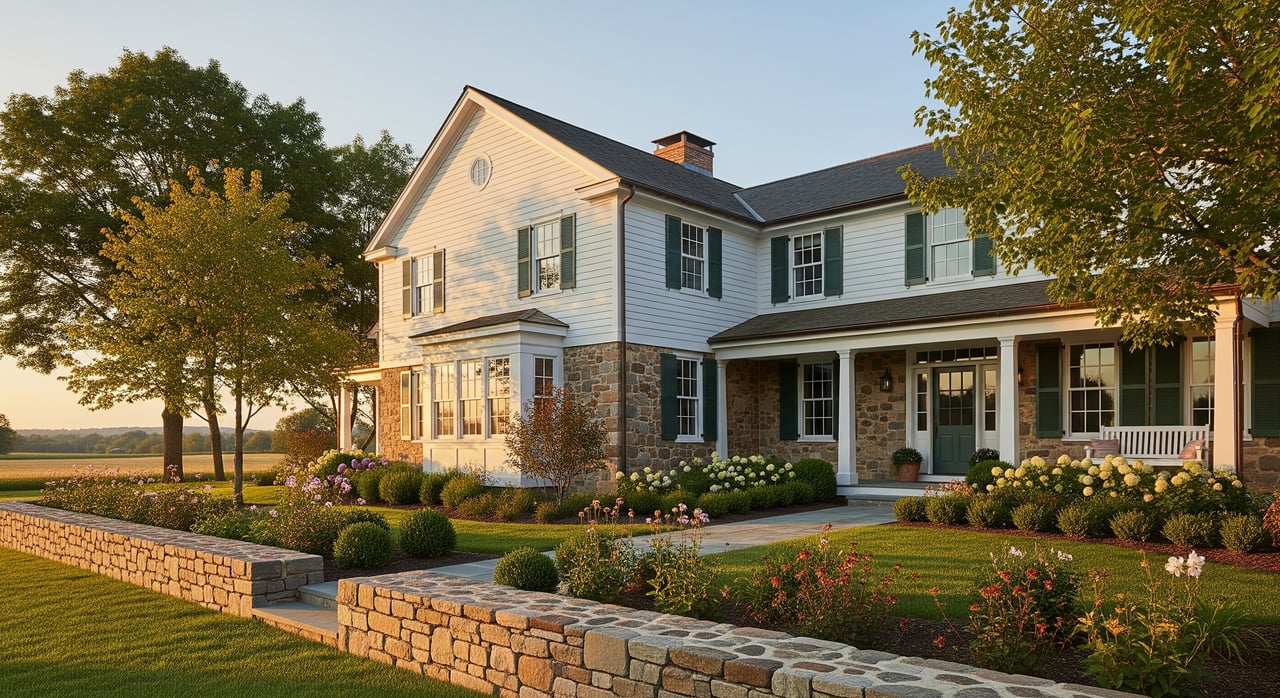
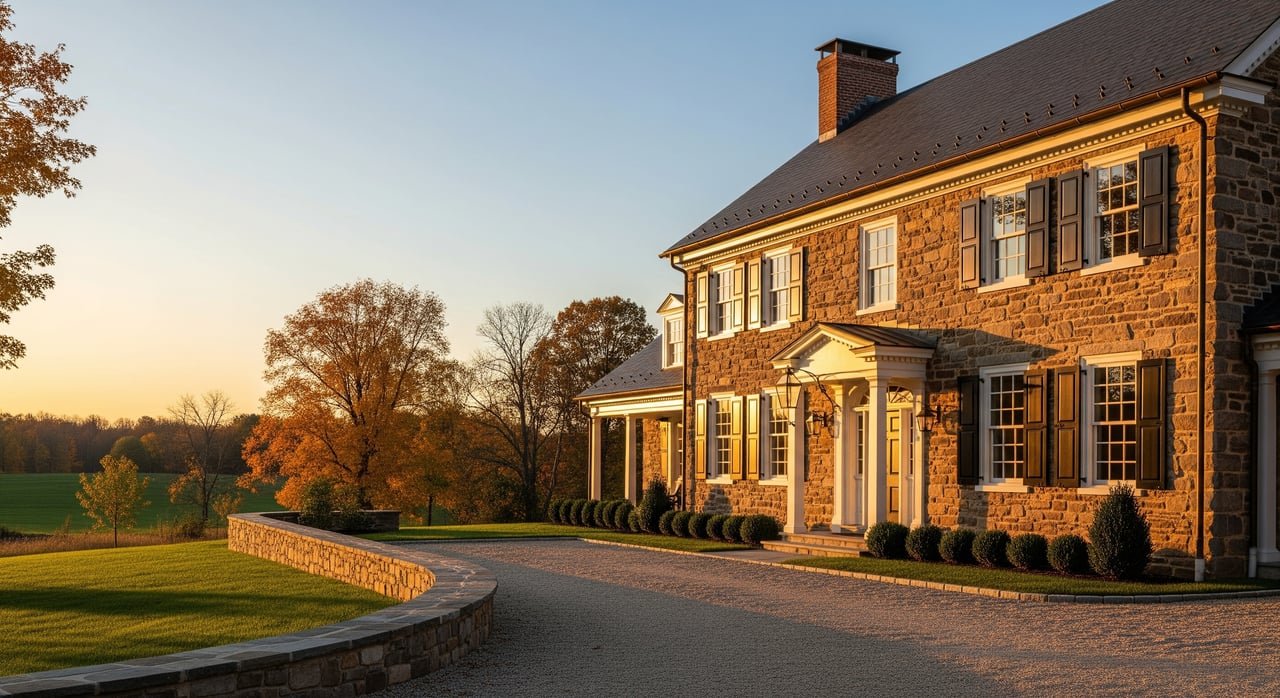
Are you getting your Ottsville farmhouse or acreage ready for a spring listing and wondering how to price it right? Rural homes are different from in-town properties, and the details matter. Acreage, barns, septic capacity, and micro-location all shape your final price and your buyer pool. In this guide, you’ll learn how to weigh each factor, choose the right comps, and position your property to attract the best offers. Let’s dive in.

What drives value for rural Ottsville homes

Usable acreage vs. total acres

Not all acres carry the same value. Buyers in Upper Bucks pay more for usable acres close to the house, like lawn, fenced pasture, gardens, or buildable areas. Steep slopes, wetlands, and back timberland usually add less on a per-acre basis.

Different buyers value land differently. Hobby farmers and equestrian buyers often pay a premium for fenced pastures and dry, open fields. Buyers focused on privacy want a buffer of woods and views. Land and investor buyers may value raw acreage or potential subdivision, depending on zoning and access.

Outbuildings and site improvements

Functional, permitted outbuildings can be a major draw. Barns with power and water, run-in sheds, an arena, or a large machinery building speak directly to equestrian and hobby farm buyers. Quality, utility connections, and documented permitted use all influence value.

If structures are unpermitted or in poor condition, they can reduce marketability and invite repair or removal costs. Make sure you know each building’s dimensions, utilities, and permit history before setting price.

Septic, well, and wastewater systems

Rural buyers and lenders expect proof that the septic and well meet the home’s needs. Septic systems are typically sized by bedroom count and must be documented. A failing or undersized system can significantly reduce value because replacement is expensive and site-dependent.

Before listing, gather pumping records, any permits, recent inspections, and perc or design documents. For rules and standards, review the Pennsylvania DEP’s onlot sewage guidance. Potable well water test results are also important for buyer confidence and some loan programs.

Micro-location and access

Small location differences can have a big impact in rural markets. Road type and access, proximity to everyday services, and commuting distance to Doylestown or greater Philadelphia all shape demand. Views, privacy, and noise levels also matter.

Confirm whether any part of your land lies in a floodplain or contains wetlands, which can limit use and permitting. You can check flood status using the FEMA Flood Map Service Center. Zoning, conservation easements, and recorded deed restrictions can also affect value and your buyer pool in Ottsville and surrounding townships.

Picking the right comps in Upper Bucks

A step-by-step comp checklist

Use sales that best mirror your property’s use and utility:

  • Timeframe: Prioritize sales from the last 6 to 12 months. In slower rural segments, extend to 12 to 18 months and note the difference.
  • Distance: Start in the same township, then expand to nearby townships if needed. Disclose micro-location differences when you widen the search.
  • Acres: Match total acreage and, when possible, the portion of usable acres. A 7-acre property with 5 usable acres often compares better to 10 acres with 6 usable acres than to 25 wooded acres.
  • Improvements: Align house size and condition, barns and outbuildings, fencing, and utilities. Confirm septic capacity and well details in the comps when possible.
  • Restrictions: Prefer similar zoning and easement status. Conservation or agricultural easements change use and value.

Adjusting for rural features

When you align comps, make clear adjustments:

  • Acreage: Weight adjustments toward usable acres near the house; back acreage often has lower marginal value.
  • Septic and well: Discount comps with failing or undersized systems. Give a modest premium to modern, permitted systems with documentation.
  • Outbuildings: Add value for functional, permitted barns or shops with power and water. Subtract for unpermitted, obsolete, or deteriorated structures.
  • Micro-location: Adjust for paved vs. private road access, floodplain or wetland impact, and tangible amenities such as views and proximity to services.

When to use land-plus-house or hire a specialist

If your land drives most of the value, consider a decomposition approach: estimate land value as if vacant and add an estimate for the house and site improvements. For larger or complex rural parcels, a certified general appraiser or an agent experienced in land and equestrian listings can help dial in pricing and adjustments.

Spring pricing strategy in Ottsville

Timing and positioning

Spring is typically the busiest season for buyers, though inventory often rises at the same time. If your septic and outbuilding documentation are ready and your land shows well after winter, an early spring launch can capture pent-up demand. If you need more prep time or drone-friendly foliage, a late spring listing can still perform strongly.

Price bands and buyer segments

Decide which buyer pool is most likely to compete. For example:

  • Lifestyle buyers: value a comfortable home, privacy, and a few usable acres.
  • Equestrian and hobby farm buyers: prioritize permitted barns, fenced pastures, water access, and arena potential.
  • Land-focused or investor buyers: focus on raw acreage, road frontage, and zoning.

Set a price band that fits the most probable pool, then support it with comps and a clear value narrative in the listing remarks and brochure.

Pre-listing prep that boosts price

Documents to gather

These items make pricing more accurate and reduce buyer friction:

  • Survey or plot plan showing boundaries, easements, and rights-of-way.
  • Septic records: permits, pumping, inspections, and any perc test or engineered design. See the PA DEP onlot sewage program for standards.
  • Well documents: potability test results, depth and flow if available.
  • Outbuilding list: dimensions, utilities, permits, and recent repairs.
  • Soil and wetland info: check the USDA NRCS Web Soil Survey for soil capability and septic suitability.
  • Flood status: verify with the FEMA Flood Map Service Center and note any elevation certificates.
  • Deed, tax records, and any conservation or agricultural easements.

Photos and marketing assets that matter

Show the land as clearly as the house:

  • Drone imagery with parcel outlines to highlight usable areas, fencing, and access.
  • Interior photo sets for the house and relevant outbuildings.
  • Short video tour showing approach roads, pasture layout, and barn features.
  • A polished property brochure noting septic capacity, outbuilding utilities, and distances to nearby towns.

Reaching the right buyers

Combine MLS exposure with targeted outreach:

  • Tag the listing correctly for equine, farm, land, or outbuildings.
  • Share through regional equestrian networks, stables, and hobby farm groups.
  • Use land-buyer platforms and local agricultural circles to reach acreage-focused buyers.
  • Promote with social content that targets interests like equestrian or small farm.
  • Offer guided, appointment-based tours that explain boundaries, system capacity, and land usability.

Financing and your buyer pool

Rural financing can have different requirements for well, septic, and access. Some buyers may be eligible for programs shown on the USDA Rural Development eligibility maps. Clean documentation helps more buyers qualify and strengthens your negotiating position.

Common pitfalls that cost sellers money

  • Overvaluing back acreage while underweighting the first few usable acres near the house.
  • Ignoring septic capacity or deferring an inspection, which often surfaces late and weakens your leverage.
  • Assuming a big barn guarantees a premium without permits, utility hookups, and safe access.
  • Overpricing because a distant comp had more acres but fewer usable acres.
  • Skipping the floodplain and wetlands check, which can surprise buyers during due diligence.

A simple roadmap to your list price

  1. Confirm facts. Document acres, usable land, outbuildings, septic capacity, and any restrictions.

  2. Choose comps. Start local and recent, then adjust for usable acres, barn utility, septic, and micro-location.

  3. Pick your strategy. Price for the most likely buyer pool and the spring timing that fits your prep window.

  4. Market to fit. Highlight the features your target buyers value most and show them clearly in photos, drone shots, and remarks.

Ready to position your Ottsville property for spring? Reach out for a pricing consult, a comp set tailored to your acreage and improvements, and a step-by-step plan to launch with confidence. Connect with Monique Altomonte to get started.
FAQs

How should Ottsville sellers value usable acres vs. total acres?

  • Weight the first few usable acres near the house more heavily and discount back acreage, steep slopes, and wetlands when comparing comps.

What septic documents do rural homebuyers expect in Bucks County?

  • Provide permits, pumping and inspection records, and any perc tests or engineered designs; reference the PA DEP onlot sewage program for standards.

How do barns and outbuildings impact a rural listing price?

  • Functional, permitted buildings with power and water add value for equestrian and hobby farm buyers, while unpermitted or deteriorated structures can reduce price.

How can I check if my Ottsville property is in a flood zone?

What comps timeline should I use for rural properties in Upper Bucks?

  • Aim for 6 to 12 months. Extend to 12 to 18 months in slower segments, and clearly adjust for time and micro-location differences.

Are USDA loans relevant for rural homes in Ottsville?

Work With Monique

Get assistance in determining current property value, crafting a competitive offer, writing and negotiating a contract, and much more. Contact Monique today to discuss all your real estate needs!